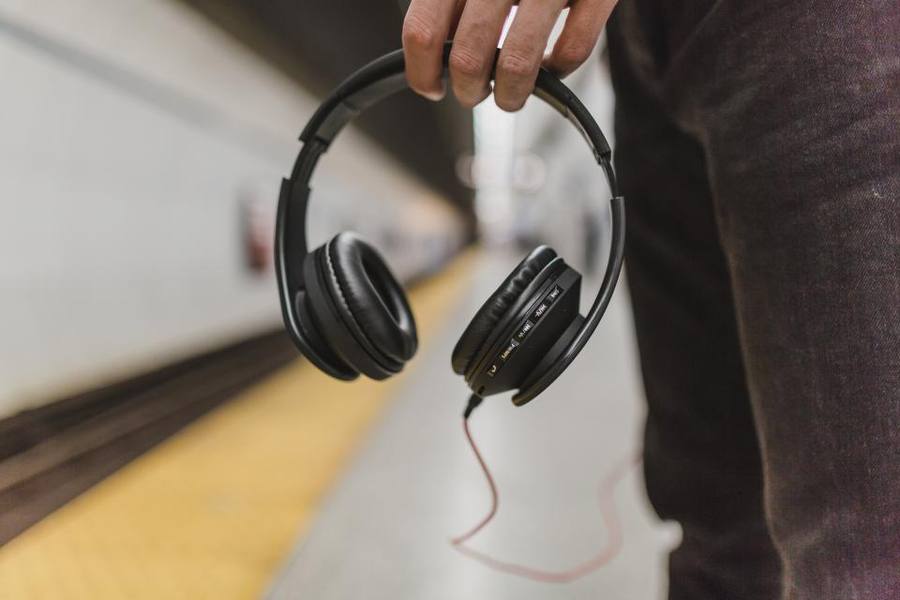
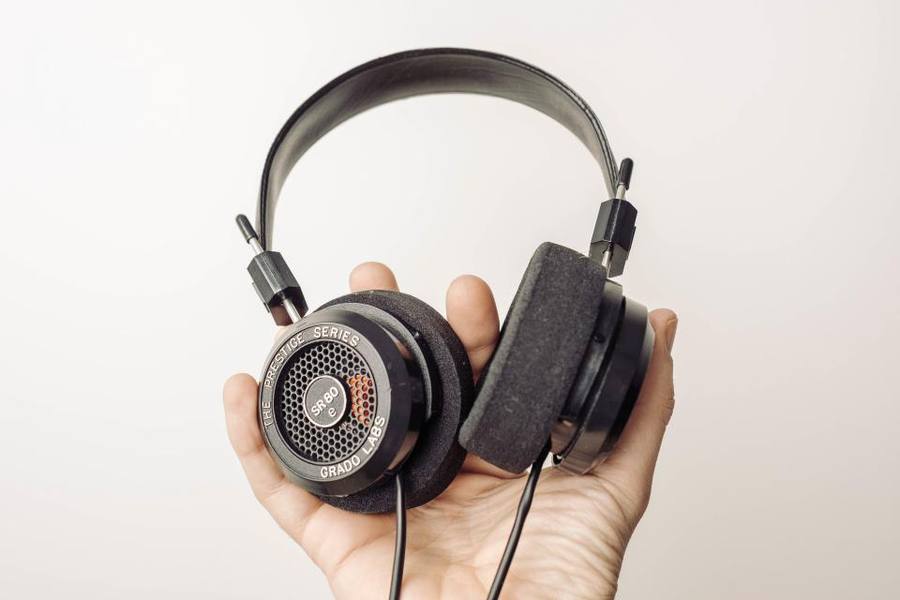
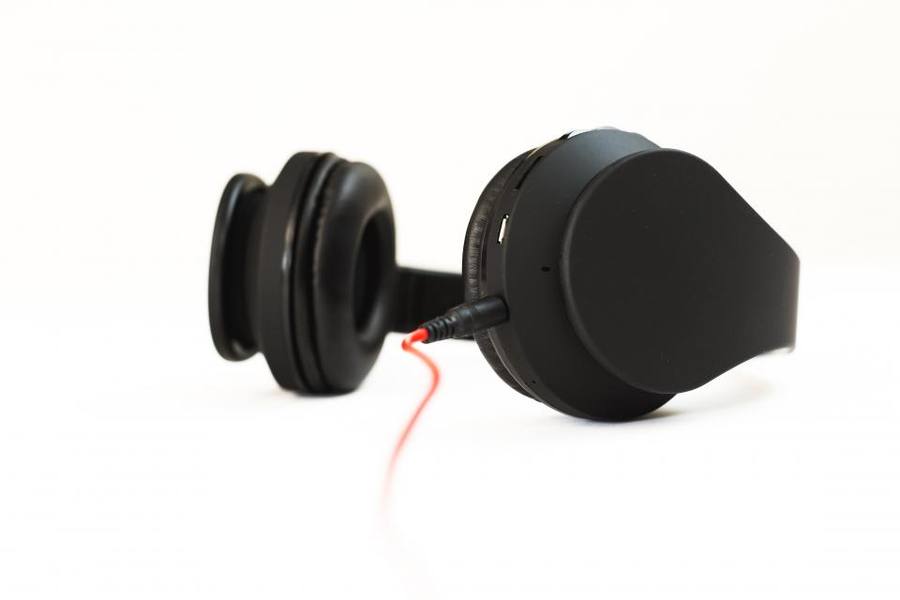
Open Back Gaming Headphones
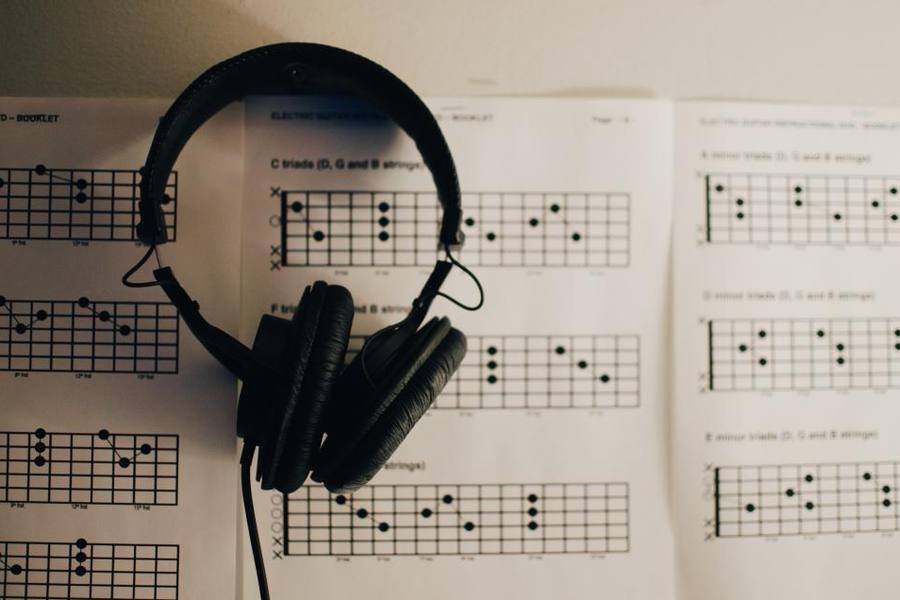
Temsili görsel (stok fotoğraf); ürünün kendisi değildir.
Soundstage Helps Positional Audio
Open back headphones let sound out of the rear of the driver rather than trapping it, which produces a wider and more natural sense of space.
That spatial impression makes locating sounds in a game noticeably easier, which for competitive play is a genuine practical advantage.
It also sounds less pressurised and more comfortable over long sessions, which many people notice before they notice the positioning.
No Isolation In Either Direction
Sound passes freely out of open back headphones, which means anybody nearby hears what you are listening to at moderate volume.
Sound also passes in, which means a noisy room, a television or traffic is audible throughout.
That makes them entirely unsuitable for shared spaces, offices and noisy environments, and excellent in a quiet room alone, which is the deciding factor rather than any audio characteristic.
They Need A Separate Microphone
Open back headphones are headphones rather than headsets, which means a microphone must be added separately.
A clip-on boom microphone, a modular attachment or a standalone desk microphone all work, and a standalone microphone sounds considerably better than any headset boom.
That is more cables and more desk space in exchange for meaningfully better sound in both directions.
Amplification And Impedance
Higher impedance headphones need more voltage to drive properly and sound quiet and thin directly from a motherboard output.
Low impedance models drive adequately from anything, and checking impedance before buying avoids a headphone that underperforms on the hardware available.
A modest amplifier or a USB interface resolves it where needed, and many open back headphones are designed to be driven from ordinary outputs.
Bass Response And Expectations
Open back designs typically have less bass extension than closed ones, since the sealed volume that reinforces low frequencies is absent.
Anybody who wants strong bass impact for explosions and music will find them lacking, which is a genuine characteristic rather than a fault.
The trade is clarity, separation and space in exchange for low-end weight, and understanding that before buying prevents disappointment.
Equalisation software can adjust frequency response considerably and cannot add bass a driver cannot physically produce, which is where people expect too much from it. Modest correction of a peak or a dip is effective and pushing a driver hard at frequencies it does not reach produces distortion rather than bass. Published measurement-based equalisation profiles for specific models are widely available and are more reliable than adjusting by ear.
Pad swapping changes the sound of open headphones considerably, since pad depth and material alter the distance from driver to ear and the damping around it. Third-party pads are widely available and are a cheap way to adjust a headphone that is close to right rather than replacing it.
Cable replaceability matters considerably, since a detachable cable with a standard connector means a failed cable is a cheap fix rather than the end of a headphone.
Driver size correlates poorly with quality, and a well-tuned smaller driver outperforms a large badly tuned one consistently.
The Verdict
Better positional audio and comfort for anybody in a quiet room alone, and completely unsuitable for anybody who is not.
They leak sound in both directions, need a separate microphone, and have less bass than closed designs.
Only if you are alone in a quiet room. Everybody nearby hears everything you do.
Bir bakışta
Artılar
- Wider soundstage aids positional audio
- More comfortable over long sessions
- Better sound than headsets at the same price
- Standalone microphones sound far better
Eksiler
- No isolation in either direction
- Unsuitable for shared or noisy spaces
- Require a separate microphone
- Less bass extension than closed designs
Sıkça sorulan sorular
Will people hear what I am listening to?
Yes, at moderate volume. Sound passes freely out of open back headphones and equally freely in, which makes them unsuitable for shared spaces and offices and excellent in a quiet room alone.
How do I talk to people?
With a separate microphone — a clip-on boom, a modular attachment or a standalone desk mic. A standalone microphone sounds considerably better than any headset boom, which is part of the appeal of going this route.
Will they work from my motherboard?
Check impedance. Higher impedance models need more voltage and sound quiet and thin from an ordinary output. Many open back headphones are designed to be driven directly, and a modest amplifier resolves it where needed.
Teknik Özellikler
| Type | Open back headphones |
| Advantage | Soundstage and positional accuracy |
| Disadvantage | No isolation either direction |
| Suitable for | A quiet room alone |
| Unsuitable for | Shared spaces and offices |
| Microphone | Separate clip-on or desk mic |
| Check | Impedance against your audio output |
| Expect | Less bass than closed headphones |
Özet
Best positional audio for a quiet room alone. Everyone else in the room hears it too.
Amazon'da Fiyatı Kontrol Et